Caner Akcasu Blog

< <

<
<

<
<

A new iPhone must be viewed through the lens of your current handset – how you see the iPhone 12 is quite different if you’re holding, say, an 11 Pro compared to how you see it compared to something like the XR or even older. And if you have an Android, Apple’s phones may be a preview of what’s to come in 2021.

The new vanilla model represents a fairly major upgrade over its predecessors, the iPhone 11 and XR. The first thing you’ll see is the OLED display – it’s the same size (6.1”), but is sharper, supports HDR10 and has that excellent contrast native to OLED panels.
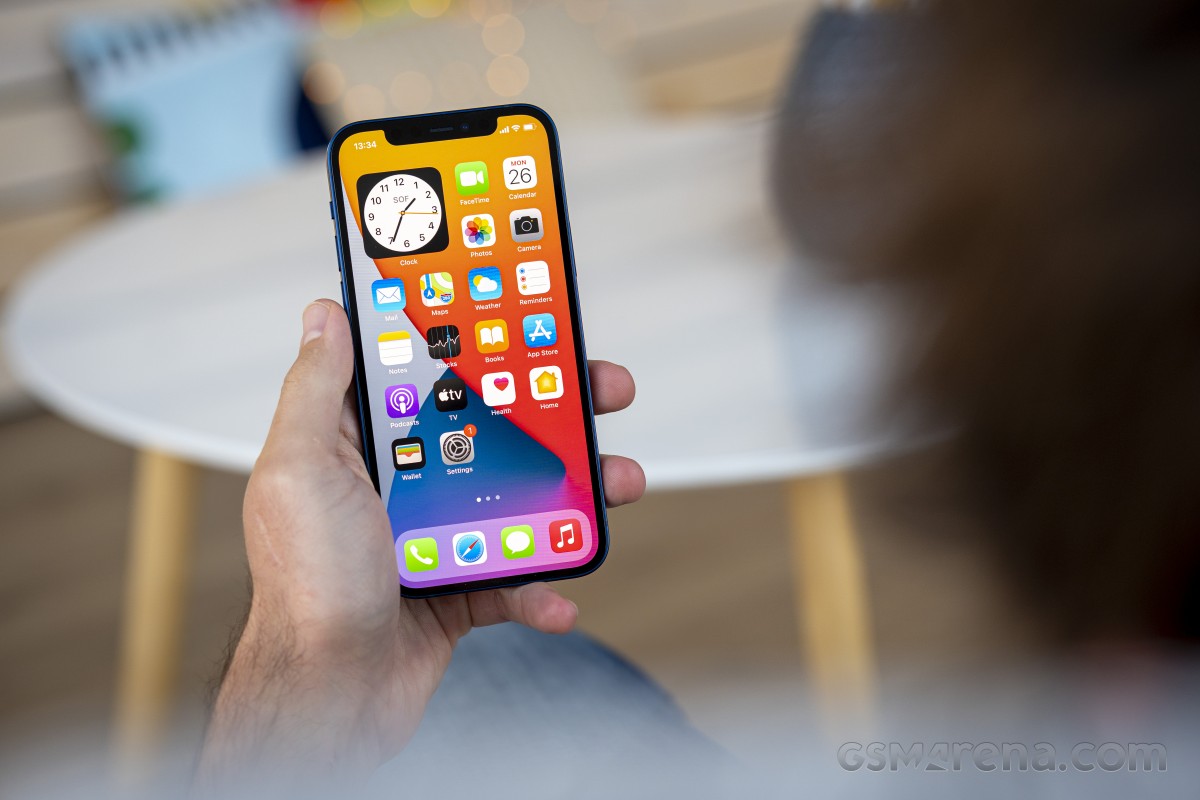
Apple iPhone 12 in for review

There’s also 5G connectivity (including mmWave in the US), so your phone is future-proof. We know that coverage is spotty or even non-existent in some regions, but Apple provides 5 years of major iOS updates and the coverage map will look quite different in 2025.

MagSafe is another way the new model is future-proof. With new accessories from Apple and others already unveiled, the future of iPhone’s add-on ecosystem seems strongly tied with the magnetic wireless charging system. If nothing else, it’s faster than Qi (15W vs. 7.5W) and enables new use cases (e.g. Belkin’s in-car mount).
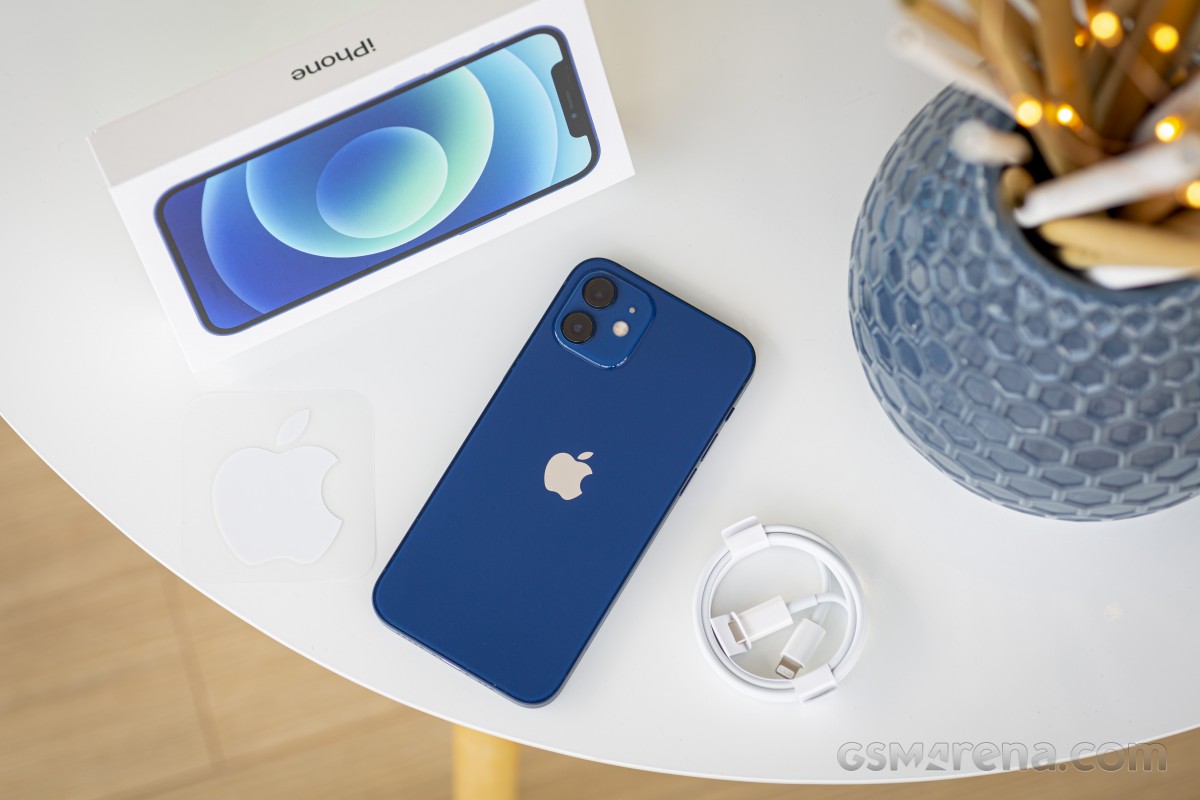
Apple iPhone 12 in for review

This is a good time to segue into the topic of in-box accessories. Or should we say “accessory” as you’re only really getting a USB cable (the SIM ejector doesn’t really count). It’s a USB-C to Lighting cable, meaning you finally get a cable that can connect your iPhone and your MacBook. Also, a cable that can’t be plugged into your old chargers without an adapter (which you have to buy separately).

And since we’re talking about money, the iPhone 12 is more expensive than before. The mini took over the iPhone 11 price point, the vanilla model now starts at $800.

While you can use the charger and cable from your old iPhone, you can upgrade your charging speed to 20W by spending just $20 for the new USB-C charger. A MagSafe charger is $40 and requires a USB-C charger, anyway. Reasonable prices, but they do add up, especially considering that you’re starting $100 higher in the first place.
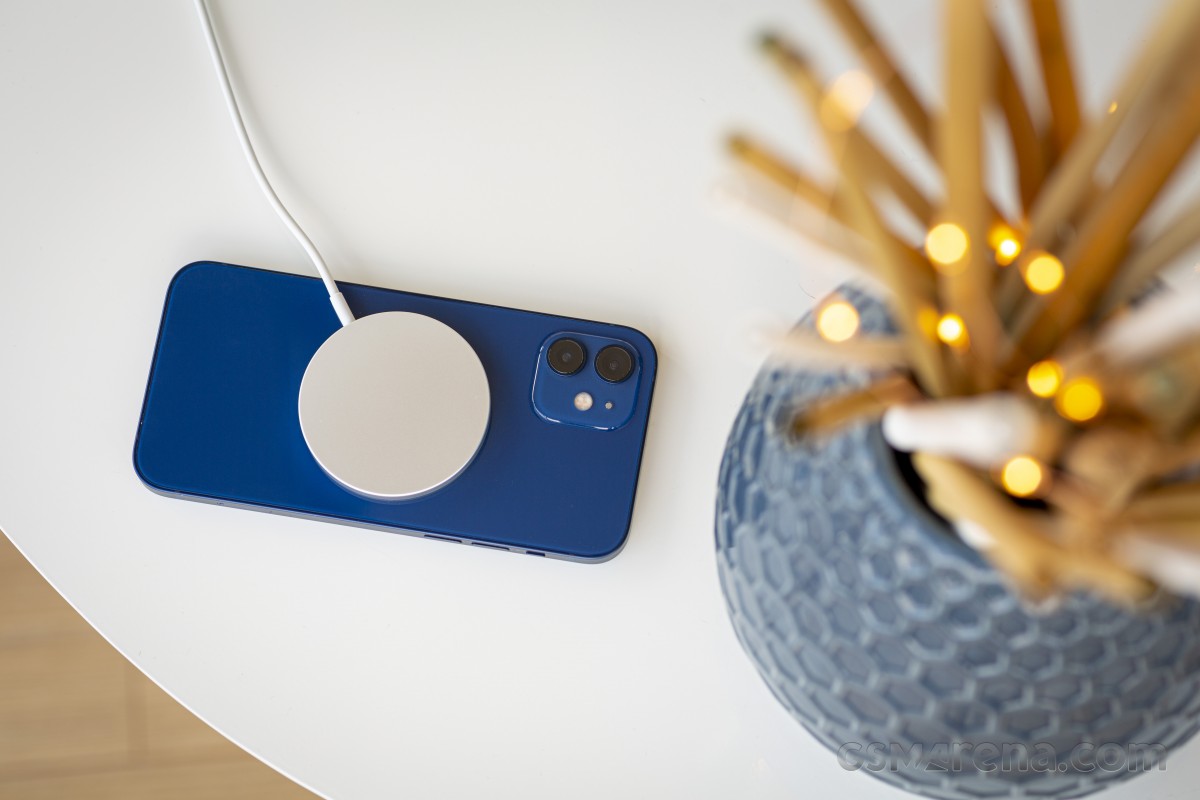
Apple iPhone 12 in for review

We did buy a MagSafe charger, as you can see, so we will be testing the charging speed. Actually, we received our iPhone 12 last Friday so we’ve already begun the testing procedures and will have results to share with you soon.

Moving on from the accessory situation, even that $100 price bump isn’t enough to get 128 GB, base storage is still 64 GB. And telephoto cameras remain exclusive to the flagship models.
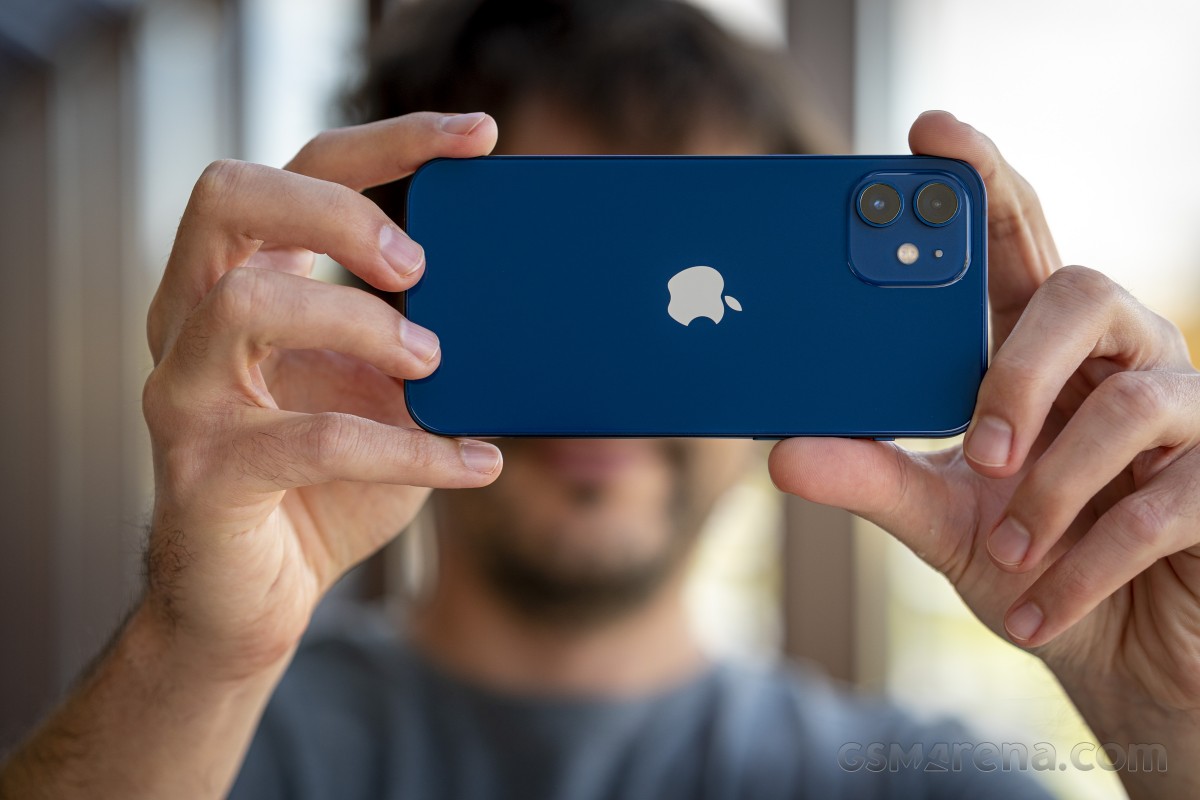
Apple iPhone 12 in for review

But this year the hardware gap between the vanilla and small Pro models seems smaller than it did last year. The price gap is smaller too as the vanilla got pricier, but $200 is not easy to overlook. We also have an iPhone 12 Pro on the way, so we will be able to compare them head to head.

Labels: , , ,

< <
<

<
<
Apple iPhone 12 and 12 Pro drop test from Allstate
Allstate Protection Plans

Apple made much ado over the iPhone 12’s more resilient Ceramic Shield screen, but does it really help? The answer is apparently yes, although you probably won’t want to depend on it too heavily. Allstate Protection Plans has conducted drop tests that show the iPhone 12 family’s improved display surface helped it withstand a six-foot drop to the sidewalk “significantly” better than the iPhone 11 and Galaxy S20 lineups, but with some visible damage. The standard iPhone 12 was relatively safe with small cracks and scuffs at the edges, while the slightly heavier 12 Pro had a crack down its lower half.

The flatter design might also help both devices if they land back-first, Allstate said. The base iPhone 12’s rear glass was “virtually unscathed” during the sidewalk test. The 12 Pro’s glass shattered (including for the wide-angle camera), unfortunately, but it was “not catastrophic.”

A drop on the side produced scuffs and sharp edges for both iPhones, but nothing else.

This is a not-so-subtle bid to drive Allstate’s phone protection plan sales. However, it also shows that Apple’s mix of glass and nano-sized ceramic crystals only goes so far. It might save you from rushing to repair your phone the same day, but it won’t keep your phone looking pristine after a tumble.

Labels: , , , , , , ,

< <
<

<
<


 These are the best sounding earbuds that Apple makes right now and they earned a score of 87 from us. In comparison to standard AirPods, these buds have superior sound quality and a better fit thanks to their removable ear tips. They also have good active noise-cancellation and Transparency mode, the latter of which lets you hear what’s going on around you before quickly jumping back into your music-driven focus session. The stem design has been polarizing since the first AirPods came out, but we appreciate the refined design of the AirPods Pro and their IPX4 water resistance (that also makes them a better choice for those who exercise often).

We also like the earbuds’ hands-free Siri capabilities and how quickly they connect to Apple devices. The H1 chip inside makes them some of the best wireless buds to pair with iPhones, iPads and Mac computers because, in addition to easy pairing, it lets you quickly switch between listening on difference devices. While we still think Jabra’s Elite 75t (and new 85t) wireless buds and Sony’s WF-1000XM3s outperform the AirPods Pro in certain areas, there’s no denying the convenience these earbuds bring to those embedded in the Apple ecosystem.

Labels: , , , , , , , ,

< <

<
<

<
<

Fall is nearly upon us, which means Apple is gearing up to unveil its newest iPhones. 2020 being what it is, however, it's far from business as usual over in Cupertino. Apple has already confirmed it will ship its new smartphones later than usual this year and has remained quiet about its next splashy launch event, but that's not all -- we're also expecting the company to unveil as many as four new iPhones in one shot.

While we wait for the full, official details to emerge, let's take a look at what we already know about the most unusual iPhone launch in Apple's history.


This story was first published on August 28, 2020, and last updated on the same day.

What's new this year?

Oh boy -- a lot, by the looks of things. Some new features, changes, and additions will be specific to the iPhone 12 and iPhone 12 Pro lines and we'll dig into those shortly -- let's begin with the updates we expect to appear across the board this year.

For one, Apple is said to be using OLED screens across all versions of the iPhone 12. This shift will be especially noticeable to people coming from devices like the iPhone XR and iPhone 11, which used Apple's "Liquid Retina" screens. Those were always pretty good by LCD standards, but going forward, people who don't want to pay for Apple's most expensive phones should still get some improved image quality.

More importantly, these new iPhones will also use the company's latest mobile chipset, which we expect to be called (what else?) the A14 Bionic. While it'll still be weeks before Apple explains its benefits in full, chipmaker TSMC offered something of a preview in the form of comments made during a recent earnings call. The A14 is all but certainly based on TSMC's 5nm fabrication process, which the company said should result in roughly 15 percent faster performance while saving 30 percent in power consumption. That's nothing to sneeze at, especially when you consider last year's A13 Bionic was already the fastest smartphone chipset out there. And that reduced power consumption should prove especially helpful now that Apple is finally embracing 5G.

2020 is the year 5G is finally starting to matter in the real world, so it's little surprise that all of Apple's new iPhones will support those next-gen networks. Well, some of them, at least. There are two kinds of 5G networks taking root around the world: sub-6 and mmWave. (Their names broadly refer to the swathes of electromagnetic spectrum each type of network operates in, but you don't need to worry about that.) All of Apple's new iPhones will play nice with the former since sub-6 networks are more common and cover more ground.

The bigger question is which models will support the world's faster -- but more geographically limited -- mmWave 5G networks. Rumors originally suggested that this feature would be exclusive to the iPhone 12 Pro line, but later reports insisted that all versions of the iPhone 12 could tap into all 5G networks. For now, that appears to be the case, but the matter is still being hotly debated.


What is the iPhone 12 series?

The iPhone XR and iPhone 11 have been exceptionally lucrative for Apple, and this year we're expecting two versions of the iPhone 12 to continue the affordable flagship tradition.

The basic iPhone 12 is said to pack a 5.4-inch OLED screen which, if true, would make it the smallest smartphone in Apple's line-up. (The relatively pint-sized iPhone SE uses a smaller 4.7-inch display, but is thought to be physically larger than the 12.) In addition to the A14 chipset we mentioned earlier, we're expecting the 12 to come with 4GB of RAM, though the amount of storage available remains a mystery. Right now, it seems very likely that we'll see iPhone 12s with 128GB and 256GB of storage, but some leakers have insisted there will be a 64GB model as well.

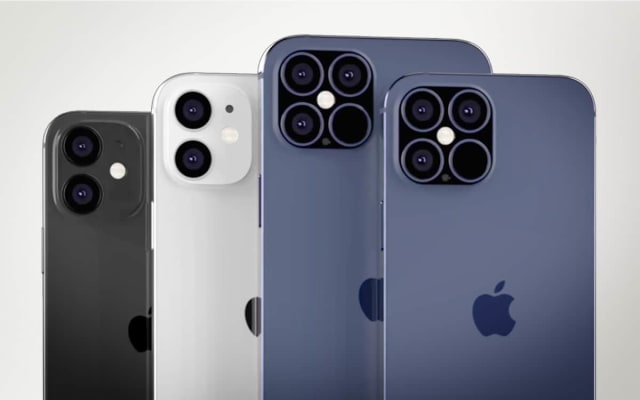
iPhone 12 renders

Meanwhile, the larger iPhone 12 Max and its 6.1-inch screen should feel very similar to the existing iPhone 11. Apart from obvious differences, like having a bigger display and battery, the 12 Max is said to be internally identical to its little sibling. That said, the same uncertainty about its storage tiers applies here as well. And no matter which version of the iPhone 12 strikes your fancy, both models will continue to use a rear dual-camera system, though details on those sensors are limited for the moment.

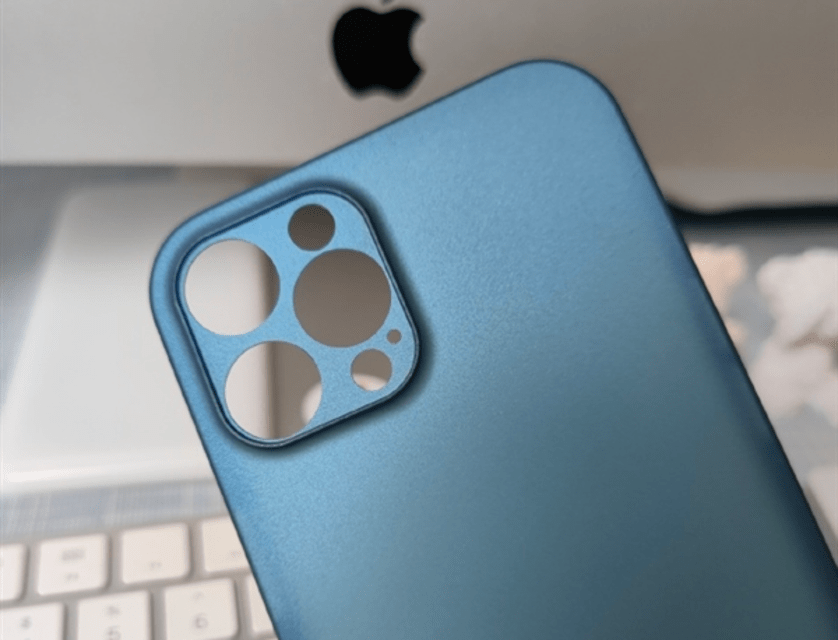
While the iPhone 12s' internals are largely agreed upon, there are still several lingering questions about its design. In a report published on April 13th, Bloomberg confirmed that the higher-end iPhone 12 Pro series would debut with a new, more angular design inspired by recent iPad Pros, but couldn't say the same of the less-expensive iPhone 12s. Since then, we've seen several dummy models allegedly built to Apple's specifications that suggest the iPhone 12 will feature that new design, though we'd suggest you take those with a grain of salt for now. Other possible design tweaks include a new notch that’s up to 30 percent smaller than the ones found in Apple’s current phones, but there currently isn’t a consensus on that potential change either.


What is the iPhone 12 Pro series?

The iPhone 12 and 12 Max might be the affordable flagships most people will buy, but the iPhone 12 Pro series is where Apple gets to push the limits of what we should expect from our smartphones.

As usual, the two Pro models share a common foundation that includes the A14 Bionic and 6GB of RAM, along with either 128GB, 256GB or 512GB of storage. Curiously, we're expecting the smaller iPhone 12 Pro to use a 6.1-inch Super Retina XDR display, which would make it roughly the same size (and potentially the same shape) as the more reasonably priced iPhone 12 Max. The iPhone 12 Pro Max, on the other hand, just might be the biggest iPhone Apple has ever made. While earlier iPhone screens have topped out at 6.5 inches, the 12 Pro Max's Super Retina XDR display is said to measure 6.7 inches diagonal. That's enough to make my wrist hurt in anticipation, but dummy models suggest the 12 Pro Max might not feel substantially larger.

These displays are said to have at least one key advantage over the panels used in the standard iPhone 12s: Improved refresh rates. Noted leaker Jon Prosser shared images on August 25th that seem to confirm the Pros' screens will have the ability to refresh at 120Hz for exceptionally smooth scrolling and animations. Those images also suggest the inclusion of a feature that allows the iPhone 12 Pros to "alter the refresh rate from 120Hz to 60Hz" depending on the kind of content being displayed.

As mentioned earlier, the iPhone 12 Pro and Pro Max will debut with a new -- and somewhat retro -- design. The devices' stainless steel edges are expected to be flat, making these phones look more like the classic iPhone 5 than more recent rounded models. (As someone who believes iPhone designs peaked around 2013, this is very good news indeed.) And just like last year, expect both versions of the iPhone 12 Pro to come with at least three rear cameras -- I say "at least" because there's a strong possibility that these devices might also include a LiDAR depth sensor like the one that debuted in this year's iPad Pro. Apple has slowly been building up its augmented reality teams, to the point where we’ve heard AR content may soon debut as a part of Apple TV+. Adding sophisticated depth-sensing technology like these LiDAR arrays to iPhones may seem impractical now, but it may have a profound impact on how the iPhone experience evolves down the road.


When will Apple announce these phones?
We're not sure yet. Apple has been holding its annual iPhone press conferences in September since 2012 and tends to stage those events on the second Tuesday or Wednesday of the month. If Apple holds to that tradition this year, that would mean the event would be scheduled for September 8th or September 9th. Of course, 2020 has been anything but a normal year.

The leading candidate for a launch event right now is September 10th -- the day Apple itself accidentally scheduled a live YouTube stream for. However, Apple CFO Luca Maestri confirmed during the company's Q3 2020 earnings call that the new iPhones would be available "a few weeks" after the usual late-September launch window, likely due to production and supply issues stemming from the COVID-19 pandemic. Apple could hold a September event and release its new phones the following month, but it's just as possible that the show will be pushed to October so it more closely coincides with the launch window. With that in mind, prolific leaker Jon Prosser has already suggested that Apple will schedule its iPhone event for the second week of October.


Labels: , , , , , , , , , ,

<

AdSense Reklam Alanı