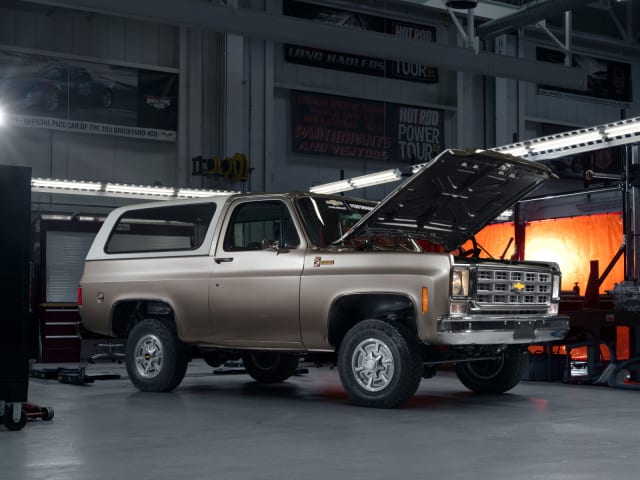
You’ll soon be able to buy an electric Chevrolet motor just as easily as one of its gas engines. After years of prototypes, the automaker plans to start selling crate electric motors and batteries to consumers by the second half of next year (via autoblog). And to showcase what you’ll be able to do with the tech, Chevy detailed a 1977 K5 Blazer conversion its Performance team completed using a near-production eCreate motor kit
Chevrolet
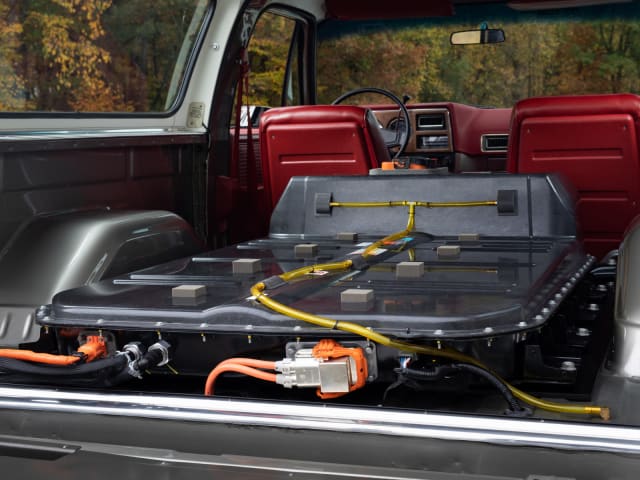
Chevy says approximately 90 percent of the new components it installed in the Blazer are Bolt EV parts straight from the factory, including the 200 horsepower motor that makes up the heart of the retrofit. Likewise borrowed from the Bolt is a 60kWh battery, which Chevy installed in the car’s cargo area. By using production controllers and wiring harnesses, it was able to carry over features like regenerative braking to the Blazer. What it didn’t need to replace was the majority of the drivetrain, with the transfer case, driveshaft and axles left untouched.
In most cases it sounds like you’ll need to buy some additional parts to turn an old gas guzzler into an EV. In the case of the K5, Chevy installed an aftermarket electric steering kit, an electric pump and an electronic controller to allow the Blazer’s analog fuel gauge to display remaining battery power.
Chevrolet
While the automaker didn’t announce pricing for the package, it did say it plans to certify dealers and aftermarket shops on their installation. It’s also exploring offering high-performance eCrate motors and batteries in different configurations.
Tesla’s Full Self-Driving beta is already making some significant (and arguably needed) strides forward. Electreksays the automaker has rolled out an update that, according to Elon Musk, should reduce the need for human intervention by about a third. He didn’t elaborate on what led to the improvements besides more real-world use, but that’s still a huge leap for an initial update.
You can expect more Full Self-Driving updates every five to ten days, Musk added. He further acknowledged that the system would never be perfect, but hoped the likelihood of an error would eventually dip “far lower” than what you’d expect from a human.
These kinds of rapid improvements may well be necessary. Tesla still hopes to make the FSD beta widely accessible by the end of 2020, and that might only happen when the system is reliable enough that most drivers will feel comfortable using it.
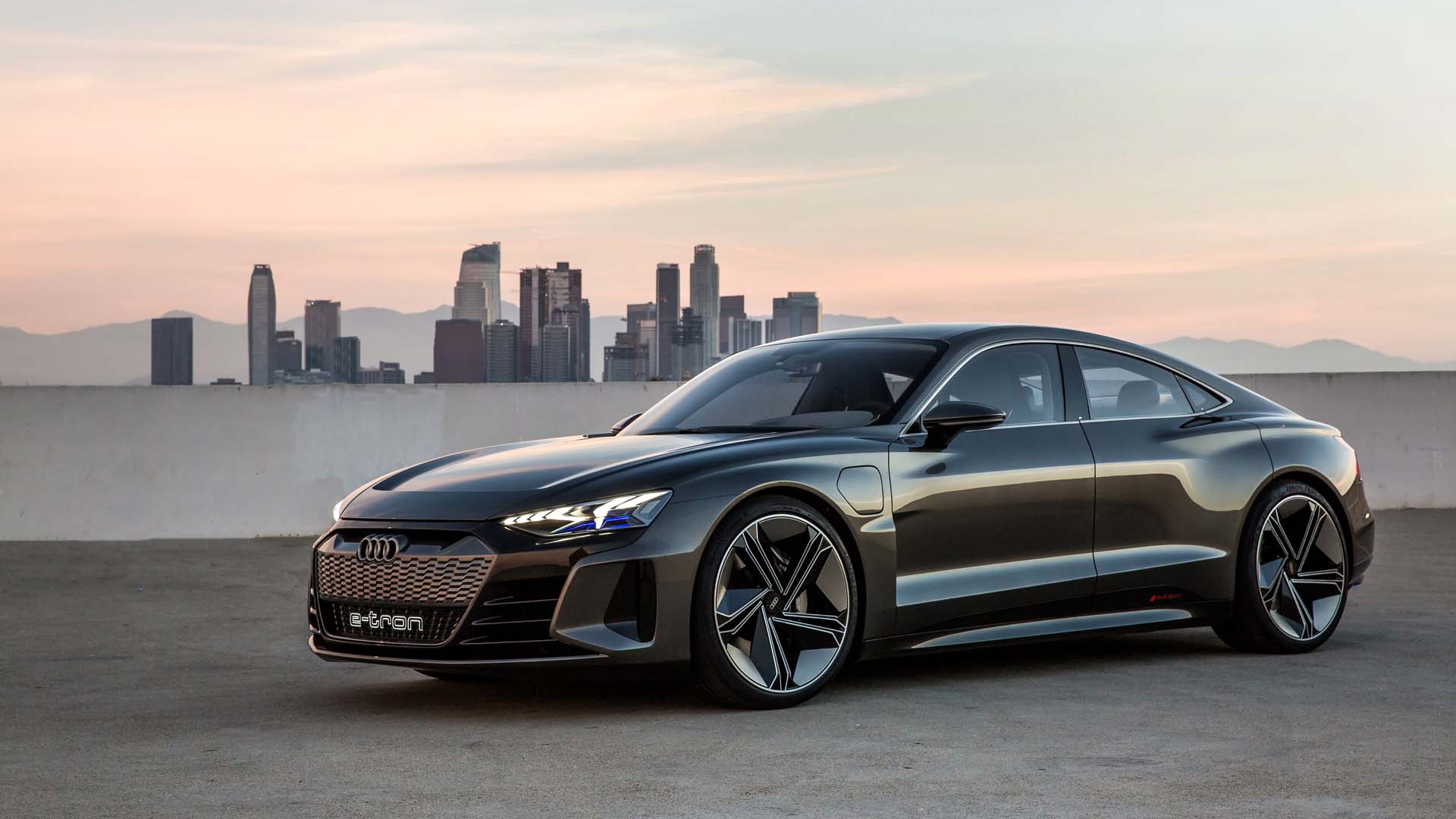
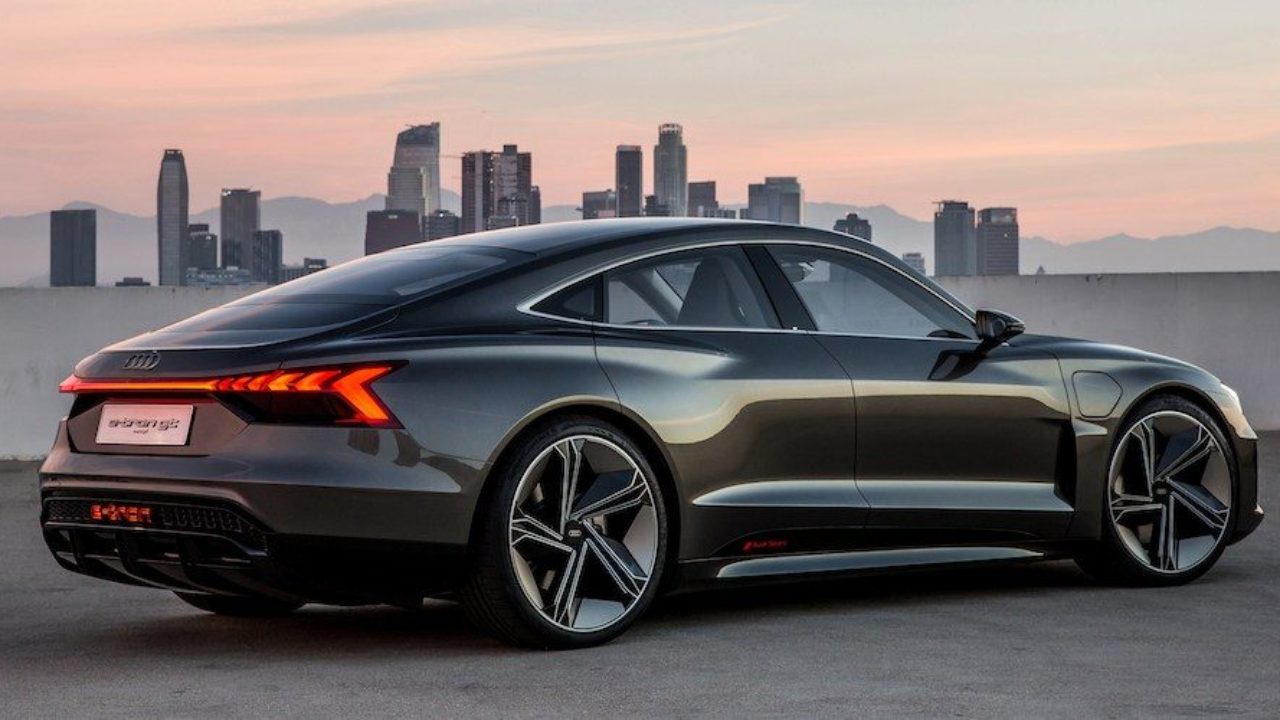
Car makers are making afuss over the artificial soundsthey’rerequired to producefor their EVs, and Audi is no exception. The German brandexplainedtoAutoblogjust how it created the sound for the productionE-Tron GT, noting that it was an elaborate process. Audi created the sound from 32 distinct elements using custom software and some ad-hoc discovery. The “foundation” was a 9.8-foot plastic pipe with a fan grafted to one end, producing a low growl that suited the E-Tron GT’s sporty nature.
The company’s Stephan Gsell noted the challenge of finding a sound that was pleasing, but also something you could live with every day. A Star Wars podracer sound might be a blast in short bursts, for example, but the novelty could wear off quickly during your daily commute.
Audi didn’t borrow from the Porsche Taycan while working on the sound, the company said, although it did use similar techniques and was working on it at roughly the same time.
The result is a sound that’s not quite as sci-fi as what you’ll find in the Taycan, but also not just a simple attempt to recreate a gas engine. We’re not quite sure it’s the “emotional” experience Audi claims it is, but that’s not entirely the point. The sound is at once a legal requirement to alert pedestrians as well as a void-filler for people who might be unsettled by the near silence of an EV cabin. And importantly, it’s optional on the inside — you can choose the intensity or turn it off altogether.
If you’re wealthy enough to be in the market for an E-Tron GT, you won’t have to wait too long to try it. Production is due to start near the end of 2020, albeit in small numbers.
Toyota-backed SkyDrive has finally conducted a public, crewed test flight (via Observer) for its flying car after years of work. The startup flew its SD-03 vehicle around the Toyota Test Field in the city of Toyota with a pilot at the helm. While it wasn’t autonomous, as you might have guessed, it showed that the aircraft could work as promised in the field.
The SD-03 is billed as the smallest electric VTOL (vertical take-off and landing) vehicle in the world, and it’s meant to usher in a “new means of transportation” for urban life. It has a total of eight rotors that help it fly safely even if there’s a motor failure.
It could be a long time before you see SkyDrive flying cars in action. The company is hoping for approval for flights beyond the test field by the end of 2020, and it expects a two-seat commercial machine by 2023. That lines up with Japan’s timeline for launching flying taxi service. Even so, this is another hint at a future where small, short-hop aircraft could help alleviate traffic (and ideally, speed up trips) in crowded cities.

 Chevrolet
 Chevrolet