Earnings week seems to arrive just a little bit sooner every fall — or it could just be the nonstop cheering from Big Tech who had a banner quarter thanks to the COVID quarantine turning many of us into a captive audience for their products and services. Here are some headlines from the week that was.
What, you thought your child was just going to indoctrinate themselves to life within the surveillance state? For free? In this economy? Not a chance. Not when Jeff Bezos can ding you for a trio of Benjamins on the way out.
Speaking of Jeff Bezos getting even more wealthy, Amazon made an extra $26 billion in sales during Q3 2020 thanks to our shelter in place rules and everybody embracing delivery for, well, everything.
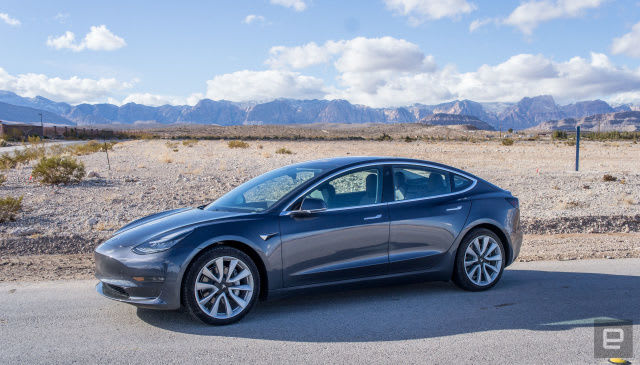
Oh the woes of Tesla ownership. First the company offered a $2,500 infotainment system upgrade that gave customers access to YouTube, Netflix, Hulu — none of which should be watched while operating a motor vehicle mind you, unless you spring for the $10,000 FSD mode (though it’s being called is a “distant second” to GMC’s SuperCruise) — but had to ditch the existing AM, FM and Sirius functions. Now the company is offering to restore the FM and Sirius capabilities that used to be there with the addition of a new tuner and antenna for the low, low discount price of $500.
Netflix is yet again getting a little more expensive. The company announced last week that its standard plan will now cost $14, a dollar increase, and its premium plan will rise two dollars to $18 a month. I’m old enough to remember when cord cutting actually saved people money.
Under Armour is looking to shed some weight, namely its MyFitnessPal and Endomondo apps. The former is being put up for sale with a $345 million price tag, the latter is simply being shut down, all so that the company can achieve a greater degree of “investment flexibility.”
Amazon appears to have stopped a strange plot that used phones in trees to game delivery route assignments. Contract drivers talking to Bloomberg said that they’re now getting more routes even when they’re miles away from the Whole Foods locations that had been hubs for the scheme. The tree-borne phones have vanished along with the people lurking around them, one Chicago driver said.
The tree-phone move reportedly exploited the behavior of the Amazon Flex dispatch system. Rogue drivers synced their phones with those in the trees, helping them snap up deliveries that would otherwise go to competing drivers. As Flex drivers are gig workers who get paid by the delivery, this was potentially lucrative — much to the chagrin of drivers who weren’t involved.
An insider aware of Amazon’s order system told Bloomberg that fixing the issue that allowed the effort only required altering a “few lines of code.” It could create a “dead zone” around places like Whole Foods to prevent gaming attempts. Your orders could take longer to arrive, but it would also ensure a fairer distribution of work.
The company hasn’t confirmed the move, instead saying that waiting in the parking lot or using store WiFi was “not an effective way” to claim delivery orders.
It’s still not clear exactly who’s behind the tree-based plot. However, it does underscore issues with the gig economy. Workers’ livelihoods depend heavily on the code that assigns their gigs, and that can give some people a strong incentive to exploit the code.
Streaming services are keen to prevent regulators from censoring their content, and they’re willing to police themselves to ensure that artistic freedom. Variety reports that Netflix, Amazon Prime Video, Disney+ Hotstar and 12 other companies have signed a self-regulatory code to stay on the good side of India’s regulators. This includes common approaches to age labels and content descriptions as well as a way to report any violations of the system. Streaming services have to set up complaint departments, internal committees or both to deal with any issues.
The code was created by the Internet and Mobile Association of India (disclaimer: Engadget’s parent brand Verizon Media is a member) and is already in effect.
The Indian government has been hesitant to censor streaming services and would rather they keep themselves in check. This theoretically keeps officials happy — they don’t have to worry as much that parents will inadvertently play inappropriate movies for their kids, or that there will be no way to report a TV show.
Services like Netflix already honor age ratings in other countries. However, it’s rare for these internet-focused outlets to unite on a rating system — they’ve clearly determined that it’s easier to work with each other than to have the government step in.
Streaming musicstill has a lot of room to grow, it appears. Counterpoint Research hasdeterminedthat paid music subscriptions jumped 32 percent in 2019 to reach 358 million thanks to a mix of exclusives,phone service bundles, regional price cuts and extended trial periods. Not that the services will want to get complacent -- competition is heating up, according to analysts.
Spotify still had a solid lead at the end of 2019 with 35 percent of subscriptions. However, its rivals are growing fast. Apple Music's listener base grew 36 percent to give it 19 percent of streaming, while Amazon's share grew by half to hit 15 percent. This put them comfortably ahead of rivals like Tencent (11 percent) and YouTube Music (6 percent). The remaining 14 percent of tended to be split between regional giants like India's Gaana and Russia's Yandex Music.
It's not certain how much more headroom there might be. Counterpoint predicted that streaming music would grow another 25 percent in 2020, but it also warned that the COVID-19 pandemic might hurt. Habits are unsurprisingly skewing more toward radio and TV news, and that leaves fewer people willing to subscribe to services meant chiefly for entertainment.
 Engadget
 Engadget
 Engadget
 Engadget
 Engadget

